The Infrastructure Line Item: Budgeting an Aergo Node for UK Review

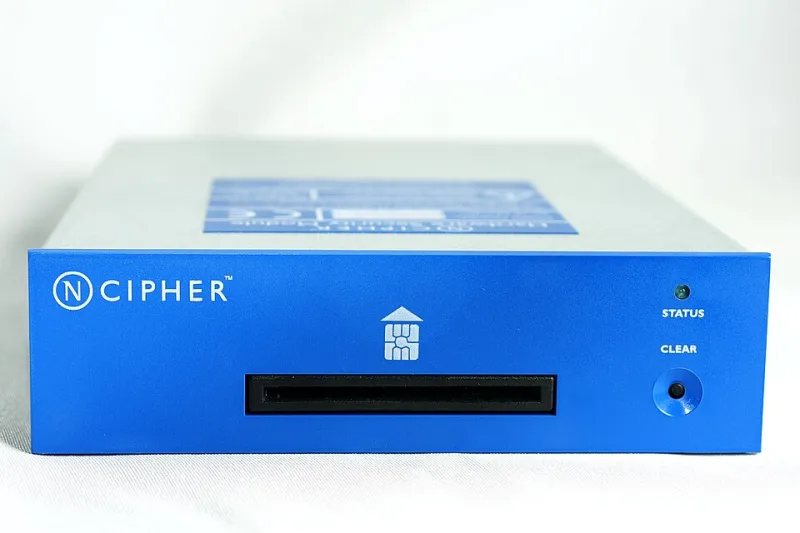
Photo: Stephen Craven , CC BY-SA 2.0, via Wikimedia Commons
A node budget rarely fails because the server is too expensive. It fails because the first quote captures only the server. UK teams running Aergo mainnet or testnet infrastructure need a cost model that includes storage growth, backup discipline, monitoring, patching, data residency and the human time that keeps the service credible. The aim is not to produce the lowest monthly figure. It is to produce a figure that a finance director can approve and a security reviewer can defend.
Start with the workload, not the invoice
A node is not one workload. A full node that follows the chain, an RPC endpoint serving applications, and a testnet environment used for release checks have different profiles. A production RPC endpoint will usually need more memory, faster disk and tighter monitoring than a passive full node. A testnet node can be smaller, but it should not be treated as disposable if it is part of a release gate.
For planning purposes in 2026, a sensible baseline for a production Aergo full node is 4 to 8 vCPUs, 16 to 32 GB of RAM and 1 to 2 TB of NVMe storage, with headroom for chain growth and snapshots. An RPC-facing node should sit at the upper end of that range or above. These are planning assumptions, not a substitute for checking current chain statistics and the operational requirements of the specific deployment.
Compute and memory: the easy part to under-budget
In a UK cloud region, a 4 vCPU and 16 GB virtual machine with premium SSD storage typically falls in the range of £120 to £250 per month before backup, egress and support. An 8 vCPU and 32 GB instance with faster disk is more likely to land between £250 and £500 per month. Those figures can move quickly once committed-use discounts, support plans and additional volumes are added.
The common mistake is to size for today's chain height and today's request rate. A node that is comfortable at launch can become tight after several months of blocks, logs and application traffic. Build in at least 30 per cent memory and disk headroom at the start. It is cheaper than an emergency resize during a release window.
Storage growth and backup: the line that keeps moving
Chain data grows. Logs grow. Snapshots grow. A budget that assumes a fixed disk size will be revised within a year. Rather than guessing a precise monthly growth rate, agree a working assumption with the team, monitor actual consumption and set a review trigger when disk use passes 70 per cent. For many deployments, tens of gigabytes per month is a reasonable planning envelope, but the figure should be replaced with observed data as soon as it is available.
Backup deserves its own line. A snapshot in the same cloud account is not a backup strategy. UK teams should budget for object storage in a UK region, versioning, retention rules and periodic restore tests. For a single production node, £40 to £120 per month is a realistic range for backup storage and associated tooling. The restore test is not free either: it consumes engineering time and, if run in parallel, temporary compute.
Cloud or colocation: two different risk profiles
Cloud is the quicker route. It offers UK regions, elastic capacity and managed services, but the monthly bill includes egress, support and the cost of convenience. A production cloud node with backup and basic monitoring should be budgeted at £350 to £750 per month. A testnet environment can sit at £80 to £220 per month if it is kept deliberately small and is not exposed to public traffic.
Colocation changes the shape of the cost. Hardware for a suitable node might cost £4,000 to £8,000, amortised over three years. Rack space, power and bandwidth in a London, Slough or Manchester facility might add £250 to £600 per month, with smart-hands support and remote access adding £50 to £150. That produces a total of roughly £450 to £900 per month once hardware is amortised, but it also introduces capital expenditure, sparing, warranty management and a longer replacement cycle. Neither model is inherently cheaper. They distribute risk differently.
Monitoring, patching and the unglamorous overhead
A node that is not monitored is not production infrastructure. Budget for metrics, log aggregation, alerting and a route to someone who can act on an alert. Tooling might cost £50 to £200 per month for a small estate, but the larger cost is operational attention. A realistic allocation is 0.1 to 0.2 of a full-time engineer for a single production node, rising with the number of environments and the criticality of the service.
Security review will ask about patch cadence, access control, secret management, logging retention and incident response. These are not abstract controls. They require time, tooling and evidence. A patch window that depends on one person remembering is a finding waiting to happen. Put the effort in the budget, not just in the runbook.
Data residency is a design choice, not a checkbox
UK teams should be explicit about where node data, backups and logs reside. Cloud regions in London are the obvious starting point for many organisations, but residency also depends on support access, subprocessors and disaster recovery arrangements. A colocation provider in the UK keeps the metal close, but remote support may still involve overseas access. Under UK GDPR, the question is not only where the disk sits but who can reach it and under what contract.
Document the residency decision alongside the cost. A slightly higher monthly bill for a UK-only support chain may be easier to defend than a cheaper arrangement that requires a transfer risk assessment. Security review will want to see supplier due diligence, exit provisions and a clear statement of which parties can access production data.
Turning the numbers into a defensible line item
A CFO does not need a server specification. They need a recurring cost, a capital cost, a contingency and a review trigger. A workable 2026 line item for a single production Aergo node in the UK might include:
- Production cloud node: £350 to £750 per month
- Testnet or staging node: £80 to £220 per month
- Backup and archive storage: £40 to £120 per month
- Monitoring and security tooling: £50 to £200 per month
- Operations allocation: 0.1 to 0.2 FTE
- Contingency: 15 to 20 per cent
For a colocation model, replace the cloud node line with amortised hardware, rack space, power, bandwidth and smart hands. Keep the backup, monitoring and operations lines visible. Annualise the total, separate capital from operating expenditure, and state the assumptions that would trigger a review: disk use above 70 per cent, a change in RPC traffic, a new environment, or a failed restore test.
What security review will ask
Expect questions about patch service levels, backup restore evidence, least-privilege access, logging retention, incident response and supplier assurance. None of these should be answered for the first time during the review. The budget should fund the evidence: a restore test twice a year, an access review each quarter, centralised logs with a defined retention period, and a named owner for the node.
The real cost of an Aergo node is the cost of keeping it trustworthy. Compute and storage are the visible part. Backup discipline, monitoring and residency choices are the part that survives scrutiny. A budget that shows both is more useful than a quote that shows neither.